.svg)

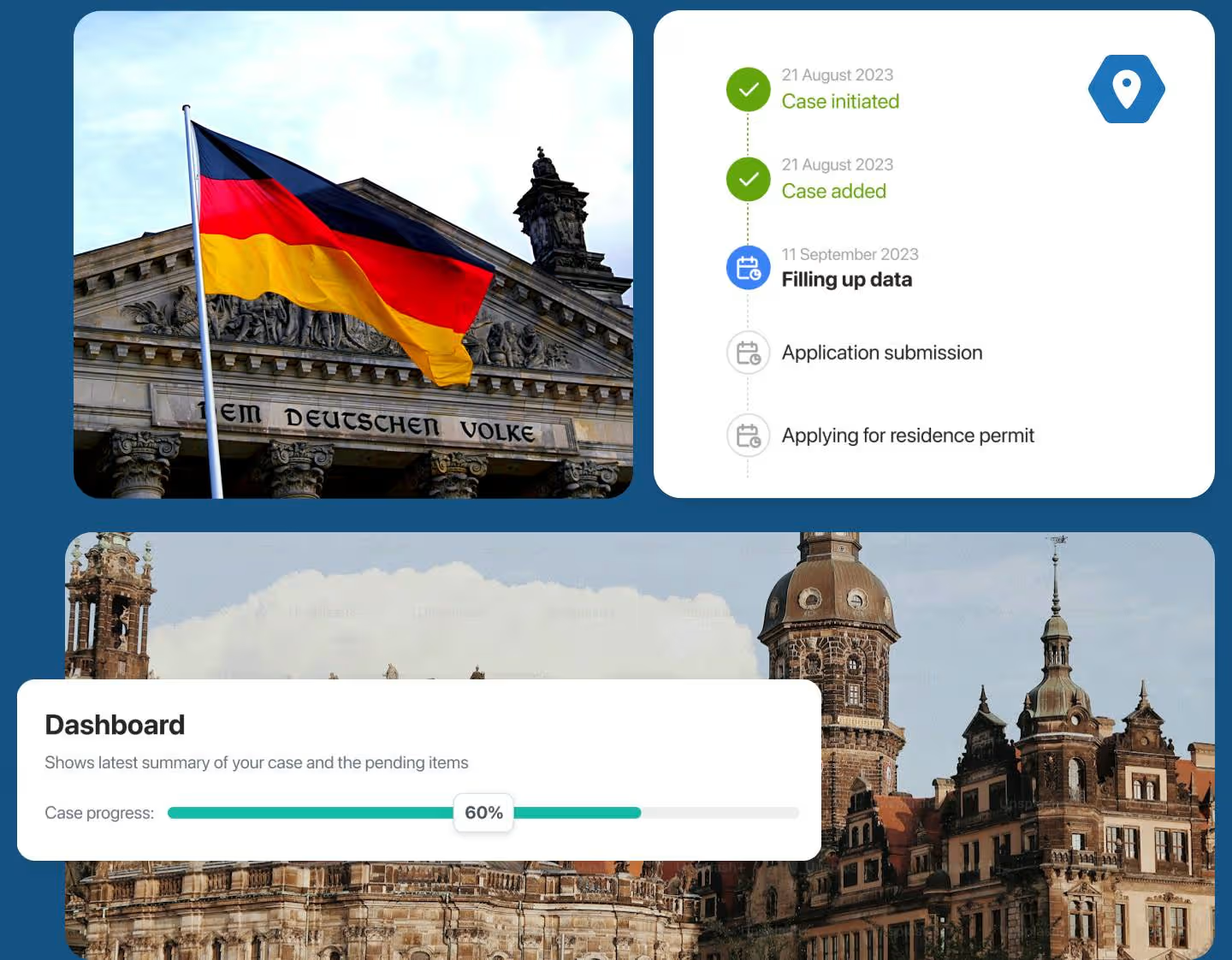
 Work Visa, Residence permit & Other immigration services in Germany
Thank you for reaching to us!
We will get back to you with more information and the meeting details very soon.


From start to finish, we manage every step — reducing delays, errors, and stress for you and your team.





Yes, exemptions apply to categories like spouses or minor children of German/EU citizens, scholarship recipients from public funds, and members of diplomatic missions or international organizations (including their spouses and children under 25). In individual cases, to safeguard cultural, foreign policy, development policy or other significant public interests or for humanitarian reasons. Eligibility is determined at the time of application.
Yes, German ICT card holdercan work in other EU countries (except Ireland and Denmark) for up to 90 days within a 180-day period without a separate permit. For stays longer than 90 days in another EU country, they need a Mobile ICT Card from that country. Notify the relevant authorities as required—details are at BAMF’s mobility rules.
A residence permit in Germany allows non-EU nationals to live in the country for work, family, or other purposes. It's required for anyone planning to stay longer than 90 days and is typically linked to the purpose of stay—such as employment, studies, or family reunification.
We assist with temporary residence permits, permanent residence permits, student residence permits, and EU long-term permits for qualified professionals, families, and intra-company transfers.
A Qualified Employment Permit is a residence and work permit designed for non-EU professionals with specialized skills. It’s typically tied to a job offer and includes requirements such as relevant qualifications, minimum salary thresholds, and labor market testing in some countries.
Rejections often happen due to:
Incomplete or incorrect documentation
Outdated or low-quality photos
Insufficient proof of funds
Missing invitation or employer letters
Embassy-specific declarations not submitted
Booking appointments too late

















.avif)



.svg)